
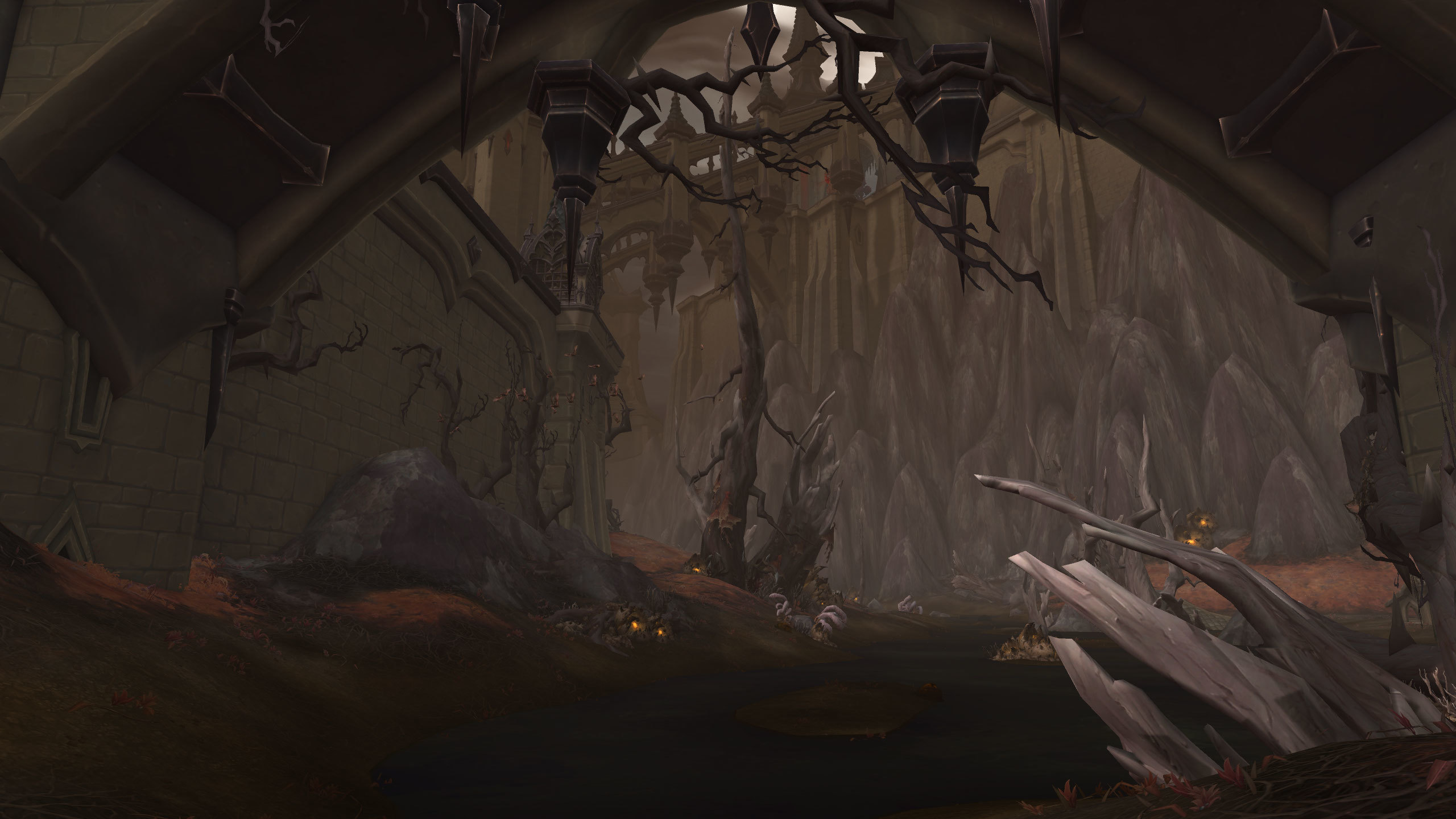
World of Warcraft’s zones are more than just environments for questing—they are living, breathing chapters of Azeroth’s rich history. The smallest details, from hidden caves to obscure artifacts, often hold the keys to long-forgotten stories, ancient powers, and hidden legacies. These subtle elements often go unnoticed by the casual adventurer, but to the keen-eyed explorer, they offer a deeper understanding of the world and its past.
This article takes a deeper dive into how the smallest details in WoW’s zones tell the richest stories—those that are often hidden in plain sight, waiting for the curious to uncover their secrets.
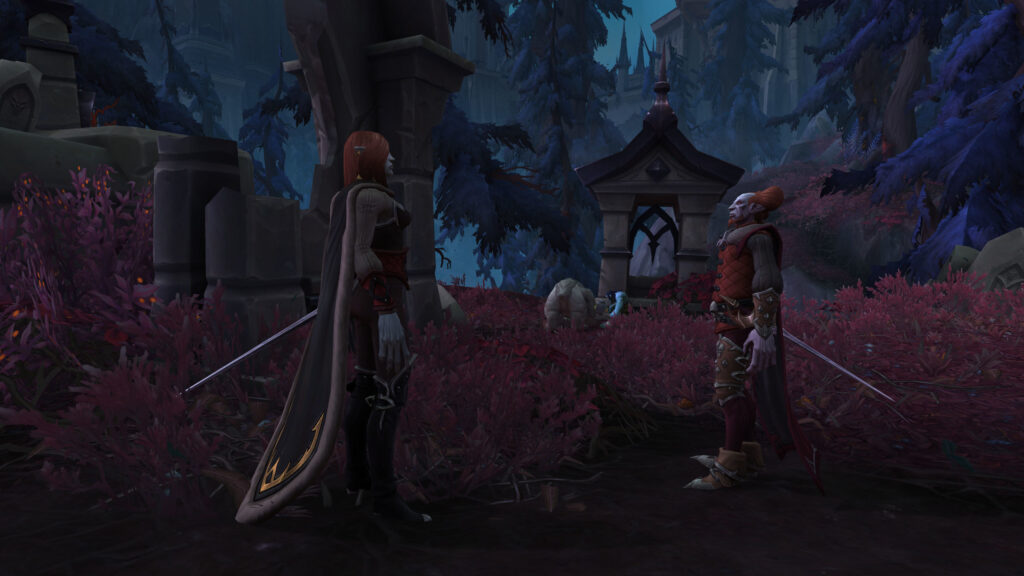
The Power of Environmental Storytelling
WoW’s environmental storytelling is one of the game’s most powerful tools. It’s not just about what you see but how you see it. From the eerie silence of the Blasted Lands to the ancient ruins hidden within the Shimmering Expanse, every corner of Azeroth has a story to tell. Often, these stories are told through the visual design of a zone—cracked walls, overgrown temples, and ancient statues are all pieces of a larger narrative that players must decipher.
Take Uldum, for example. The zone is a treasure trove of secrets hidden within the sands. Its pyramids and forgotten technology hint at a long-lost civilization that once harnessed unimaginable power. Yet, the most significant secrets are hidden in plain sight—ancient murals depicting long-forgotten gods, carvings that allude to a greater, more complex history of Azeroth.
The Hidden Lore of Azeroth’s Forgotten Zones
Azeroth’s less-visited zones often hold the most overlooked lore. While zones like Stormwind and Orgrimmar may be bustling with activity, it’s the quiet, isolated places that harbor the most mysteries. Consider the Storm Peaks or the Deepholm—places where the landscape itself is part of the story, carrying the weight of ancient conflicts.
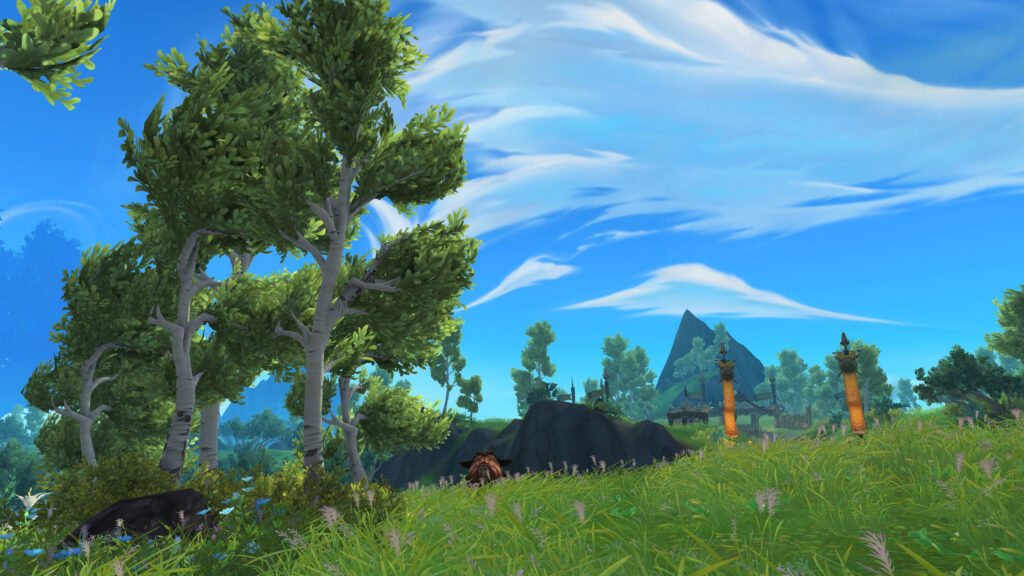
In these forgotten corners of Azeroth, players can find ancient inscriptions, symbols, and cryptic messages that point to a time before the known factions existed—clues to the civilizations that shaped the world before the Titans or the Old Gods ever made their presence known.
Subtle Cues in Questlines and NPC Dialogue
Many of Azeroth’s secrets are hidden in plain sight through subtle NPC dialogue and questlines. The small details in NPC interactions, often overlooked, provide clues to hidden plots and long-forgotten events that may shape future expansions.
For example, in the Twilight Highlands, small hints dropped by the NPCs foreshadow the events of Cataclysm long before the full-scale destruction begins. Similarly, in zones like Vashj’ir and Ulduar, NPCs make offhand remarks about the Titans, their creation, and their conflict with the Old Gods—details that have since grown into major lore threads in modern expansions.
Environmental Details and Worldbuilding
The worldbuilding in WoW is evident in every crack in the stone, every fallen tree, and every piece of forgotten architecture. The zones are not simply landscapes—they are artifacts themselves. Take the Ruins of Gilneas in the Silverpine Forest, a zone destroyed by the forsaken. As players wander through the wreckage, it’s impossible to ignore the sorrowful remnants of a once-proud kingdom.
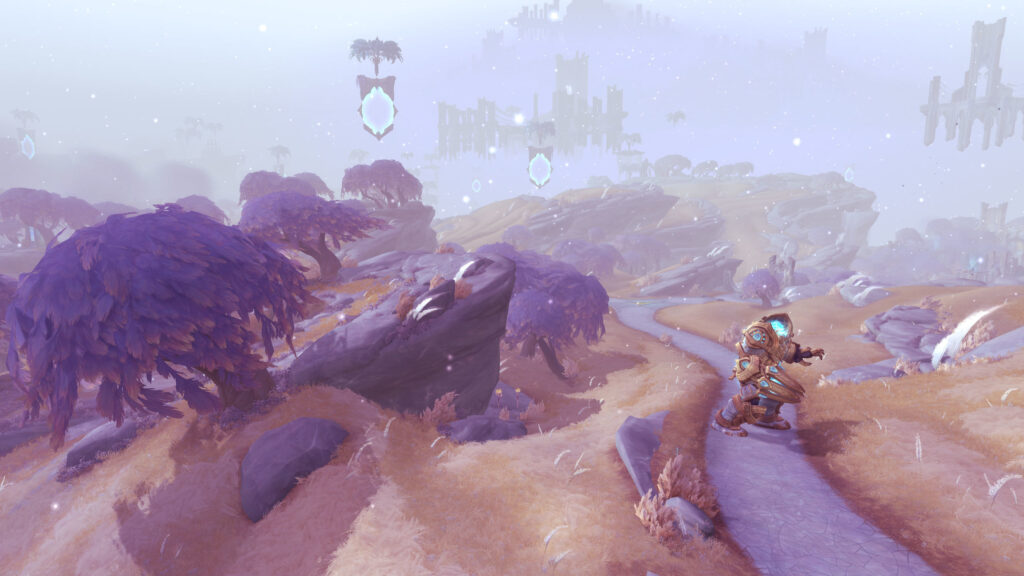
Every piece of environment tells a story: broken gates speak of lost wars, and abandoned homes tell of lost lives. These little details bring Azeroth’s past to life in a way that large-scale narratives can’t—creating an atmosphere that immerses players in the history of the world.
The Role of Dungeons and Raids in Hidden History
Dungeons and raids are not just challenges—they are repositories of Azeroth’s lost history. Locations like Blackrock Depths, Ulduar, and Karazhan hold not just loot but also layers of forgotten knowledge, ancient evils, and old gods’ whispers. These instances are microcosms of Azeroth’s larger storylines, filled with environmental cues and lore that would otherwise go unnoticed.
For instance, the Burning Crusade raid, Serpentshrine Cavern, reveals much about the naga’s rise to power and their ties to the Old Gods. But it’s the small, seemingly unimportant details—like the murals in the dungeon or the whispered lines from the bosses—that tell the full story of the naga’s dark purpose in Azeroth’s larger history.
Conclusion: WoW’s Hidden History Lives in the Details
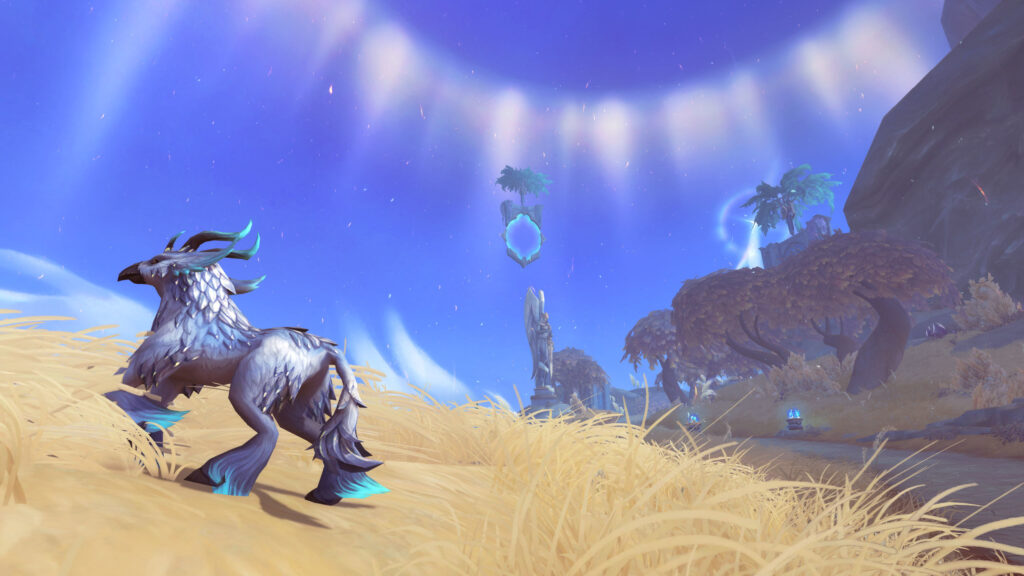
As we continue to explore and conquer new zones in World of Warcraft, it’s important to remember that Azeroth’s deepest secrets aren’t always revealed in quest dialogues or cinematics. Often, they’re hidden in the smallest details—the carvings in the walls, the remnants of forgotten battles, or the subtle clues embedded in NPC dialogues. These hidden treasures make the world feel alive, creating a deeper connection to the world’s ongoing history.
Every time we explore a new zone, we uncover another layer of the world’s hidden legacy, and every detail, no matter how small, has a story to tell.

Leave a Reply